Shogun Review: The 18-Emmy Samurai Epic Is Worth Every Hour
FX's feudal-Japan epic earns its 99% Rotten Tomatoes score and record 18 Emmys. Here's exactly why it works, who might bounce off it, and how Season 2 changes the way you should watch.
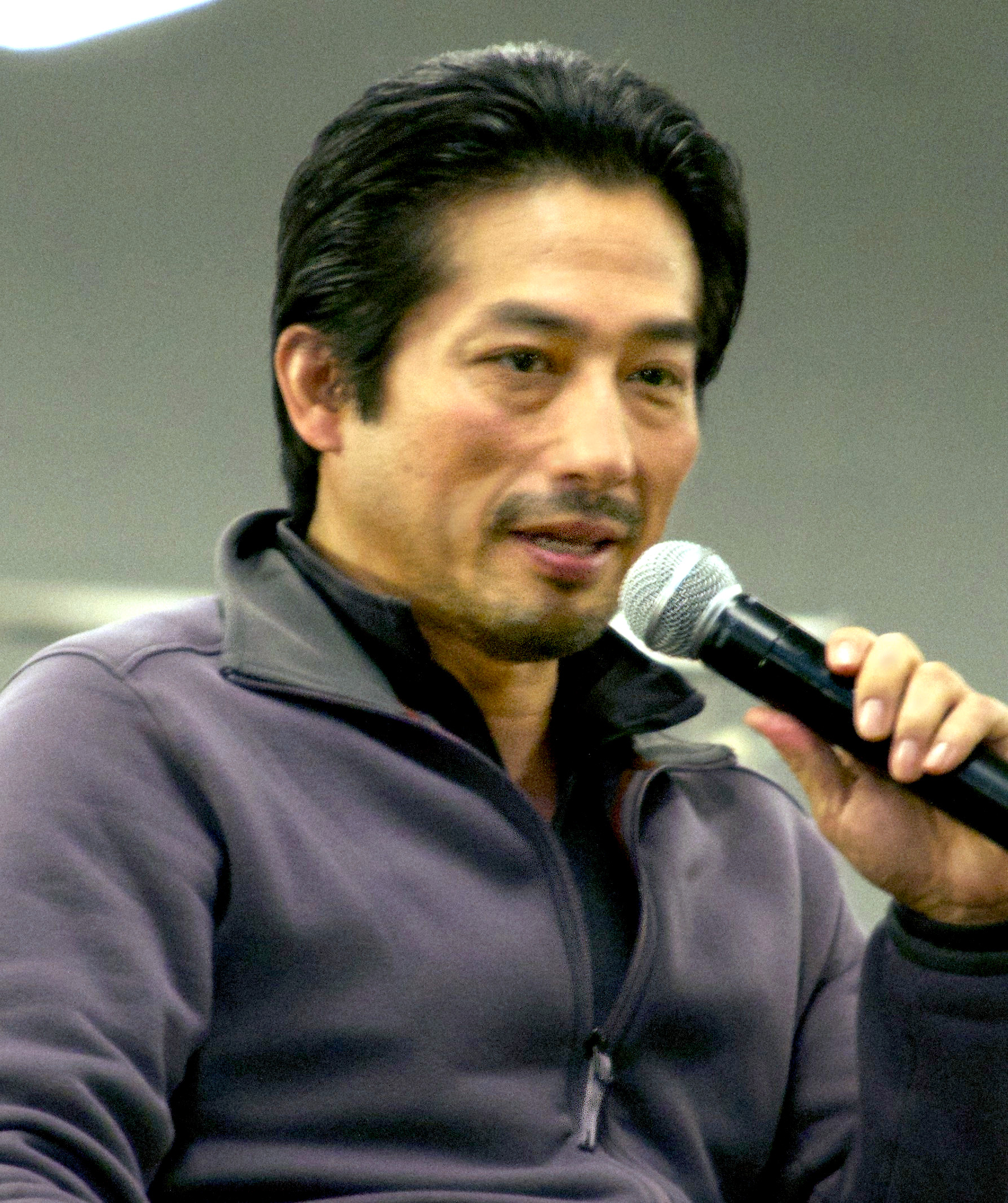
The verdict: Shogun is the best thing on television, and this Shogun review will not make you wait for that conclusion. FX's adaptation of James Clavell's 1975 novel earns its near-mythical 99% Rotten Tomatoes score and its record-breaking 18 Emmy wins — the most-awarded single season in Emmy history — because it gets the one thing right that prestige epics usually fumble: it makes you care, deeply, about quiet people in a faraway century who barely raise their voices. Our rating: 9.5/10.
The engine of its greatness is named in the first frame Hiroyuki Sanada appears in. As Lord Yoshii Toranaga, he gives a performance that communicates more through what he does not say than most actors manage with a monologue. Pair him with Anna Sawai's shattering Lady Mariko, and you have the rare show where the acting alone justifies the ten-hour commitment. Yes, Shogun is worth watching — and below I'll tell you exactly why, and who might bounce off it.
Is Shogun Worth Watching? The Short Answer
Yes. If you can sit still and read subtitles, Shogun will reward you more than almost anything else streaming. It is a slow burn by design — the first two episodes set a dense board of rival lords, foreign priests, and shifting loyalties — but it is never slack. Every quiet scene is loading a spring, and the back half releases it with a force that left critics and audiences floored. This is the kind of patient, immaculate storytelling that fans of the best limited series to stream live for.
A fair warning, because it's the most common worry: roughly 70% of the dialogue is subtitled Japanese. That is the feature, not the bug. The 1980 miniseries filtered feudal Japan through a baffled English sailor; this version treats its Japanese characters as the protagonists they always were — fully interior, fully human. The subtitles aren't a barrier to the story. They are the story.
What Is Shogun About? (No Spoilers)
The year is 1600. Japan's unifying taiko is dead, leaving a five-member Council of Regents to govern until his heir comes of age. Lord Toranaga (Sanada) is the most capable man on that council — which is exactly why his rivals want him gone. Into this powder keg drifts John Blackthorne (Cosmo Jarvis), an English pilot shipwrecked on the coast, a Protestant pawn in a land dominated by Portuguese Catholic interests.
Bridging the two worlds is Lady Mariko (Sawai), a noblewoman, translator, and devout Catholic carrying a buried grief that makes her the show's true center of gravity. Shogun sounds like a clash-of-cultures yarn. It's really a chess game, and the maneuvering — who bows to whom, who is permitted to live — is the whole, devastating point.
The Performances: Sanada and Sawai Are Unmissable
Hiroyuki Sanada is magnetic as Toranaga: a man who is always the smartest person in the room while pretending to be the most reasonable. He can make a pause feel like a death sentence. It's the role of a career, and the Emmy that crowned him Outstanding Lead Actor — a historic first for a Japanese performer — was no token gesture.
But the revelation is Anna Sawai. Her Mariko must be diplomat, interpreter, believer, and grieving daughter, often within a single breath, and she carries the emotional spine of the entire series on a knife's edge between duty and self. Her Outstanding Lead Actress win was equally historic. Together, the Hiroyuki Sanada and Anna Sawai pairing is the reason this Shogun FX review lands where it does — they are the foundation everything else is built on. If you treasure ensemble work this precise, our Oppenheimer review digs into another cast operating at this altitude.
Craft: Restraint as a Superpower
The first thing you notice is how quiet the show is willing to be. The direction — Frederick E.O. Toye won an Emmy for it — favors stillness, negative space, and conversations where nothing is said directly. Violence, when it comes, is sudden and final, never choreographed for spectacle, which makes each eruption land like a thunderclap.
Visually, it trades streaming's orange-and-teal gloss for fog-soaked grays and dim, candlelit interiors. The costuming, architecture, and court rituals are rendered with a specificity that never tips into museum stuffiness. It looks more expensive than its episode count suggests — and the Creative Arts Emmys agreed, which is how a single season swept its way to that record 18.
Is Shogun Historically Accurate?
More than most. Toranaga is modeled on Tokugawa Ieyasu, the warlord who would found the Tokugawa shogunate, and Blackthorne on William Adams, a real English navigator who became a samurai in Japan. The Sengoku-era power struggle, the etiquette, the armor, the politics of foreign trade — all meticulously researched with a Japanese-led creative team.
But it's a dramatization, not a documentary. Names are fictionalized, timelines compressed, and the central romance invented. Shogun is faithful in spirit and astonishing in detail, which is the most any historical fiction can honestly promise.
Shogun: Book vs. Show, and the Ending (Spoiler-Light)
Adapting a 1,000-page doorstop forces choices, and showrunners Justin Marks and Rachel Kondo made smart ones. The biggest Shogun book vs. show shift is one of emphasis: where Clavell often centered Blackthorne, the series wisely decentralizes him, letting its Japanese characters drive. Mariko is also introduced far earlier than in the novel, deepening her arc.
For a true Shogun ending explained in brief: the finale, "A Dream of a Dream," is more ambiguous than the book. Clavell's epilogue takes you inside Toranaga's mind and confirms the war's outcome outright; the show delivers that revelation obliquely, through a single conversation, and stages a pivotal sacrifice differently than the page. It trades the novel's certainty for something quieter and more haunting.
What Falls Short
The cost of all that restraint is a genuine demand on you. Look away from the subtitles and you lose the thread of who's betraying whom. The opening episodes ask for patience as the board is set, and some viewers will find the early going more admirable than gripping. Blackthorne's arc, by design, is the least surprising thread — once decentralized, he occasionally feels like a passenger in his own story. These are quibbles, not failures.
Where Can You Watch Shogun, and Is Season 2 Coming?
Shogun streams on Hulu (and FX) in the US, with availability on Disney-owned platforms internationally. And here's the 2026 wrinkle that recolors everything: this "limited series" is no longer limited. Shogun Season 2 began filming in Vancouver in early 2026, with Sanada and Jarvis returning and the story reportedly leaping roughly a decade ahead. A release is expected in 2027. So watch Season 1's ending as a powerful chapter rather than a full stop — the war isn't over. If you're building a watchlist while you wait, our best HBO shows and best shows on Apple TV roundups are worth a look.
The Bottom Line
Shogun deserves every award and every superlative. It is gorgeous, intelligent, and emotionally overwhelming when it chooses to be, anchored by Sanada's quietly devastating Toranaga and Sawai's star-making Mariko. Watch it with the subtitles on, the phone away, and the lights low — and know that, for the first time, there's more coming. As prestige television goes, this is as good as the medium gets.
Our verdict: an instant classic and the rare epic that justifies all 18 of those Emmys — essential viewing. 9.5/10.
Further reading: Hiroyuki Sanada on Wikipedia · Where to watch on JustWatch.
Sources
Frequently Asked Questions
Is Shogun worth watching?
Yes -- emphatically. If you have any appetite for political intrigue, gorgeous filmmaking, or world-class acting, Shogun is among the best television of the decade. It is patient and roughly 70% subtitled Japanese, so it rewards full attention rather than half-watching, but the slow burn pays off in a finale critics widely call a genuine emotional payoff. Its record 18 Emmy wins and 99% Rotten Tomatoes score are earned, not hype.
Is Shogun based on a true story?
It's historical fiction grounded in real events. The show adapts James Clavell's 1975 novel, set in Japan around the year 1600. Lord Toranaga is modeled on Tokugawa Ieyasu, who would found the Tokugawa shogunate, and John Blackthorne is based on William Adams, a real English navigator who became a samurai. The major political stakes are real; the intimate scenes and dialogue are invented.
How historically accurate is Shogun?
Unusually accurate for prestige TV in its textures -- armor, etiquette, architecture, and the Sengoku-era power struggle are meticulously researched, with Japanese-language consultants and a Japanese-led creative team. But it remains a dramatization: names are fictionalized (Toranaga for Ieyasu), timelines are compressed, and the central romance is invented. Treat it as faithful in spirit and detail, not as a documentary.
How does the Shogun ending differ from the book?
Mildly, but meaningfully -- and we'll keep this spoiler-light. Clavell's novel ends with an epilogue that takes you inside Toranaga's head and explicitly confirms the war's outcome at the Battle of Sekigahara. The FX finale, 'A Dream of a Dream,' stays more ambiguous, delivering that revelation obliquely through a conversation rather than narration. A pivotal sacrifice plays out with a different character stepping forward than in the book. The show trades the novel's certainty for a quieter, more haunting close.
Is Shogun Season 2 coming, and when?
Yes. Once billed as a limited series, Shogun was renewed and Season 2 began filming in Vancouver in January 2026. Hiroyuki Sanada returns as Toranaga and Cosmo Jarvis returns as Blackthorne, with the story reportedly jumping roughly a decade ahead. A release is expected in 2027. That changes how first-time viewers should approach the Season 1 ending -- it's a destination now, not the final word.
How many episodes is Shogun and how long does it take to watch?
Season 1 is a complete 10-episode arc, with each hour running roughly 50 to 70 minutes -- about ten hours total. FX released the first two episodes on February 27, 2024, then rolled out the rest weekly through April 23. It's built to reward steady, attentive viewing rather than background binging, since roughly 70% of the dialogue is subtitled Japanese and the plot turns on small shifts in loyalty. Budget a few focused sittings rather than one marathon.
Where can I watch Shogun?
In the US, Shogun streams on Hulu and on FX, with all ten episodes of Season 1 available on demand. Internationally it's carried on Disney-owned platforms, including Disney+ in many regions. It's an FX original produced for FX on Hulu, so a Hulu or Disney+ subscription (depending on your country) is the most direct way to watch. Turn the subtitles on and keep them on -- the Japanese dialogue is central to the experience, not optional.
How many Emmys did Shogun win?
Shogun won 18 Emmys for its first season -- 14 at the Creative Arts ceremony and four at the main 76th Primetime Emmy Awards -- making it the most-awarded single season in Emmy history. Those four marquee wins were Outstanding Drama Series, Outstanding Lead Actor for Hiroyuki Sanada, Outstanding Lead Actress for Anna Sawai, and Outstanding Directing for Frederick E.O. Toye. Sanada and Sawai were the first Japanese performers ever to win those lead categories, and Shogun is the first non-English-language series to win Outstanding Drama Series.
Do I need to watch the 1980 Shogun miniseries first?
No. The 2024 series is a fresh adaptation of the same James Clavell novel, not a sequel or continuation, so you can start with it knowing nothing about the 1980 version. The key difference is perspective: the 1980 miniseries filtered feudal Japan through the English sailor Blackthorne, while the 2024 series treats its Japanese characters as the protagonists, with most dialogue in subtitled Japanese. If anything, watch the new one first -- it's the more complete and acclaimed telling.
More from The Screen Report
Killers of the Flower Moon Review: Scorsese's Epic is a Devastating American Crime Story
Martin Scorsese’s three-and-a-half-hour true crime epic, starring Leonardo DiCaprio and a phenomenal Lily Gladstone, is a monumental and gut-wrenching chronicle of greed and betrayal.
Spielberg's 'Disclosure Day' Review: A Hopeful Thriller Anchored by Emily Blunt
Steven Spielberg returns to sci-fi with a breathless chase movie about government secrets and human empathy, powered by a career-best Emily Blunt.

Dune: Part Two Review - Why Villeneuve's Sequel Beats Part One
Denis Villeneuve's sequel is a darker, bigger, emotionally heavier chapter that earns its near-three-hour runtime — and our spoiler-free verdict explains exactly why it edges out the 2021 original, what the changed ending means, and whether it sets up Dune Messiah.
Everything Everywhere All at Once Review: A Messy Masterpiece Worth the Hype
Daniels' multiverse epic is a sensory assault that hides a plain mother-daughter story underneath the hot-dog fingers. Here's the honest, mostly spoiler-free verdict.