Spielberg's 'Disclosure Day' Review: A Hopeful Thriller Anchored by Emily Blunt
Steven Spielberg returns to sci-fi with a breathless chase movie about government secrets and human empathy, powered by a career-best Emily Blunt.
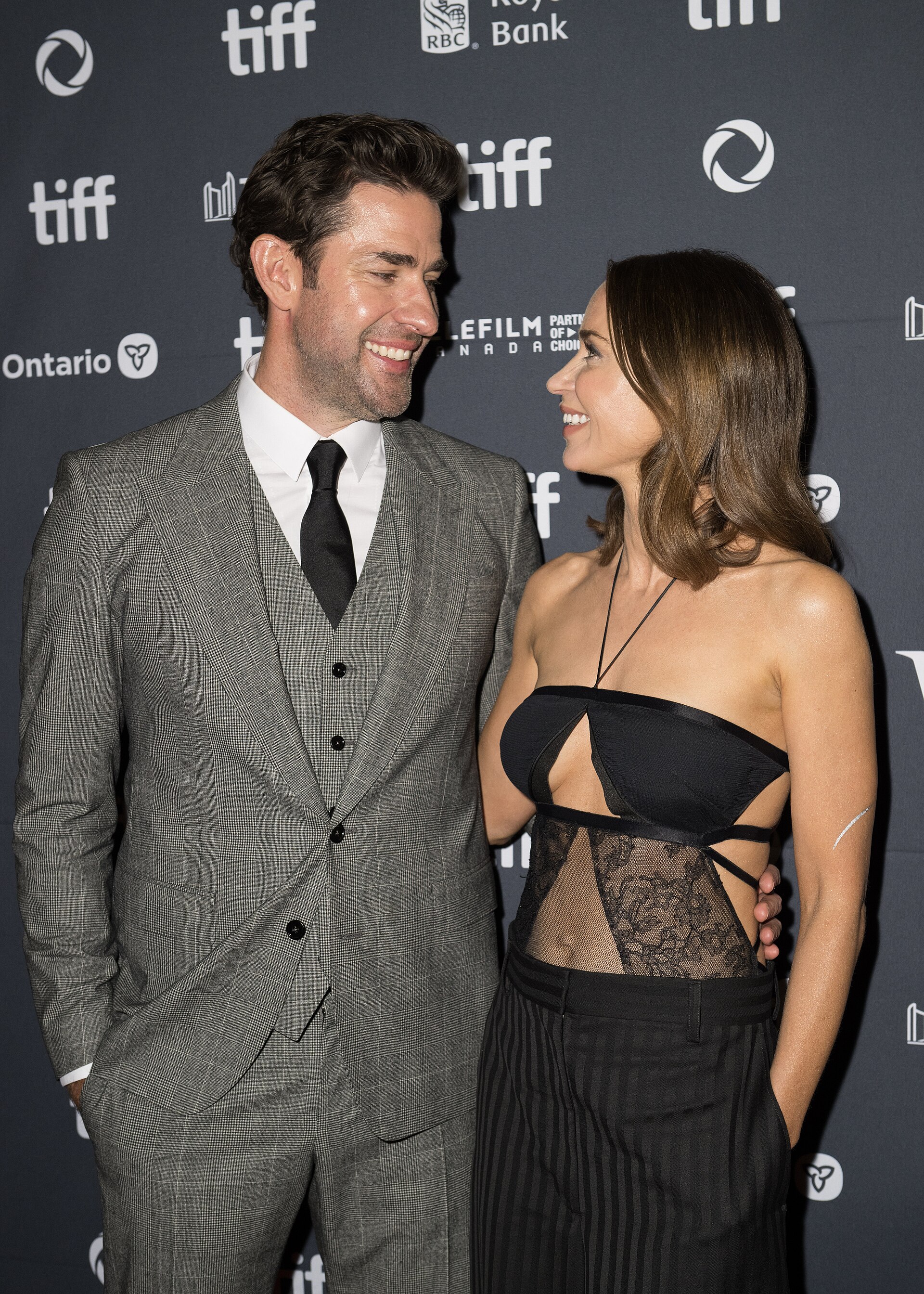
- Director
- Steven Spielberg
- Starring
- Emily Blunt, Josh O'Connor, Colin Firth, Eve Hewson, Colman Domingo
- Release
- 2026
- Genre
- Science Fiction, Thriller
- Emily Blunt's captivating lead performance
- Spielberg's masterful, propulsive direction
- Stunning practical action sequences
- An optimistic, humanistic core
- Supporting characters lack depth
- Alien mythology feels familiar
- Some CGI elements are less convincing
Steven Spielberg’s Disclosure Day is a thrilling, earnest race against time that finds the legendary director revisiting his most hopeful themes with renewed urgency. This is a big, smart blockbuster built on the magnetic performance of Emily Blunt, who grounds its cosmic stakes in palpable human emotion.
Blunt plays Margaret Fairchild, a Kansas City meteorologist whose life is upended when she begins spontaneously speaking an alien language on live television. Her broadcast draws the attention of both a shadowy government contractor, Wardex, and a desperate whistleblower, Daniel Kellner (Josh O’Connor). Together, they become fugitives hunted by Wardex’s ruthless CEO Noah Scanlon (Colin Firth), racing to expose decades of extraterrestrial cover-ups before a global war erupts. The plot is a classic Spielbergian chase, propelling the audience from convent hideouts to freight train escapes with relentless energy.
Is Emily Blunt's performance worth the hype?
Absolutely. Emily Blunt’s work here is the film’s gravitational center. She masterfully charts Margaret’s transformation from a slightly frazzled TV professional to a woman grappling with unlocked psychic abilities and suppressed childhood trauma. A standout moment—the four-minute, single-take scene where she first speaks the alien tongue on air—is a stunning feat of vocal and emotional control. Critics have rightly called it a career-best turn; she makes Margaret’s wonder, fear, and dawning power feel utterly real and compelling.
How does it compare to Spielberg's other alien movies?
Disclosure Day shares DNA with Close Encounters of the Third Kind in its awe toward the unknown, but its engine is more of a paranoid 70s thriller. Think The Parallax View meets E.T.. While it doesn’t reach the transcendent highs of Close Encounters, its focus is different. This is a film about the fight for truth in an age of misinformation, arguing for empathy as our saving grace. John Williams’ score supports this shift, opting for subtle, propulsive cues rather than a grand, symphonic theme. The craftsmanship is impeccable, from Janusz Kamiński’s dynamic cinematography to a spectacular, mostly practical train crash sequence.
What doesn't quite work?
The film’s breakneck pace sometimes comes at the expense of deeper character development for the supporting cast. Josh O’Connor and Eve Hewson are compelling, but their roles can feel secondary to the plot’s forward momentum. Some critics found the alien mythology overly familiar, retreading well-worn conspiracy tropes without significant new insight. A few CGI creatures also land with less impact than the gritty, real-world action sequences. Yet, these are minor quibbles in a film so committed to delivering pure, optimistic spectacle.
Should you see 'Disclosure Day'?
If you crave a summer movie with brains, heart, and masterful direction, this is your ticket. It’s a testament to Spielberg’s enduring ability to marry high-concept ideas with visceral entertainment. The film’s final act—a tense, global broadcast where the truth is finally revealed—is a cathartic payoff that earns its hopeful message. Disclosure Day proves that in a cynical world, a well-told story about belief and connection can still feel like a revelation.
Sources
Frequently Asked Questions
Is 'Disclosure Day' based on a true story?
No, it's an original story conceived by Steven Spielberg. However, he was inspired by real-world reports of government UFO programs, specifically a 2017 New York Times article about the Pentagon's Advanced Aerospace Threat Identification Program.
Where was 'Disclosure Day' filmed?
Principal photography took place in New York and New Jersey from February to May 2025. Key locations included the New Jersey Institute of Technology in Newark (standing in for the TV studio), the Canon Americas headquarters on Long Island (Wardex HQ), and active railroad tracks in southern New Jersey for the major train sequence.
Who composed the music for the film?
Legendary composer John Williams created the score, marking his 30th collaboration with director Steven Spielberg. For this film, Williams aimed for a more subtle, propulsive style that he described as writing music 'under the film to give it the slight nudge forward.'
Did the film perform well at the box office?
Yes. With a worldwide gross of $174 million, it is Spielberg's most commercially successful original film since 2018's Ready Player One. It debuted at #1 domestically, earning strong numbers from international audiences, which helped cement its financial success.
More from The Screen Report

Killers of the Flower Moon Review: Scorsese's Epic is a Devastating American Crime Story
Martin Scorsese’s three-and-a-half-hour true crime epic, starring Leonardo DiCaprio and a phenomenal Lily Gladstone, is a monumental and gut-wrenching chronicle of greed and betrayal.
Dune: Part Two Review - Why Villeneuve's Sequel Beats Part One
Denis Villeneuve's sequel is a darker, bigger, emotionally heavier chapter that earns its near-three-hour runtime — and our spoiler-free verdict explains exactly why it edges out the 2021 original, what the changed ending means, and whether it sets up Dune Messiah.

Everything Everywhere All at Once Review: A Messy Masterpiece Worth the Hype
Daniels' multiverse epic is a sensory assault that hides a plain mother-daughter story underneath the hot-dog fingers. Here's the honest, mostly spoiler-free verdict.
The Batman Review: Pattinson's Noir Gamble Pays Off
Robert Pattinson's raw, year-two Batman stalks Paul Dano's Zodiac-inspired Riddler through a rain-soaked Gotham. It works — and the 2h56m runtime is the only real cost of entry.