The Internet Had Thoughts About Ridley Scott Using the Word 'Dad' in His New Trailer
A single, modern term in a historical epic has split audiences down the middle — and the discourse isn't cooling off any time soon.
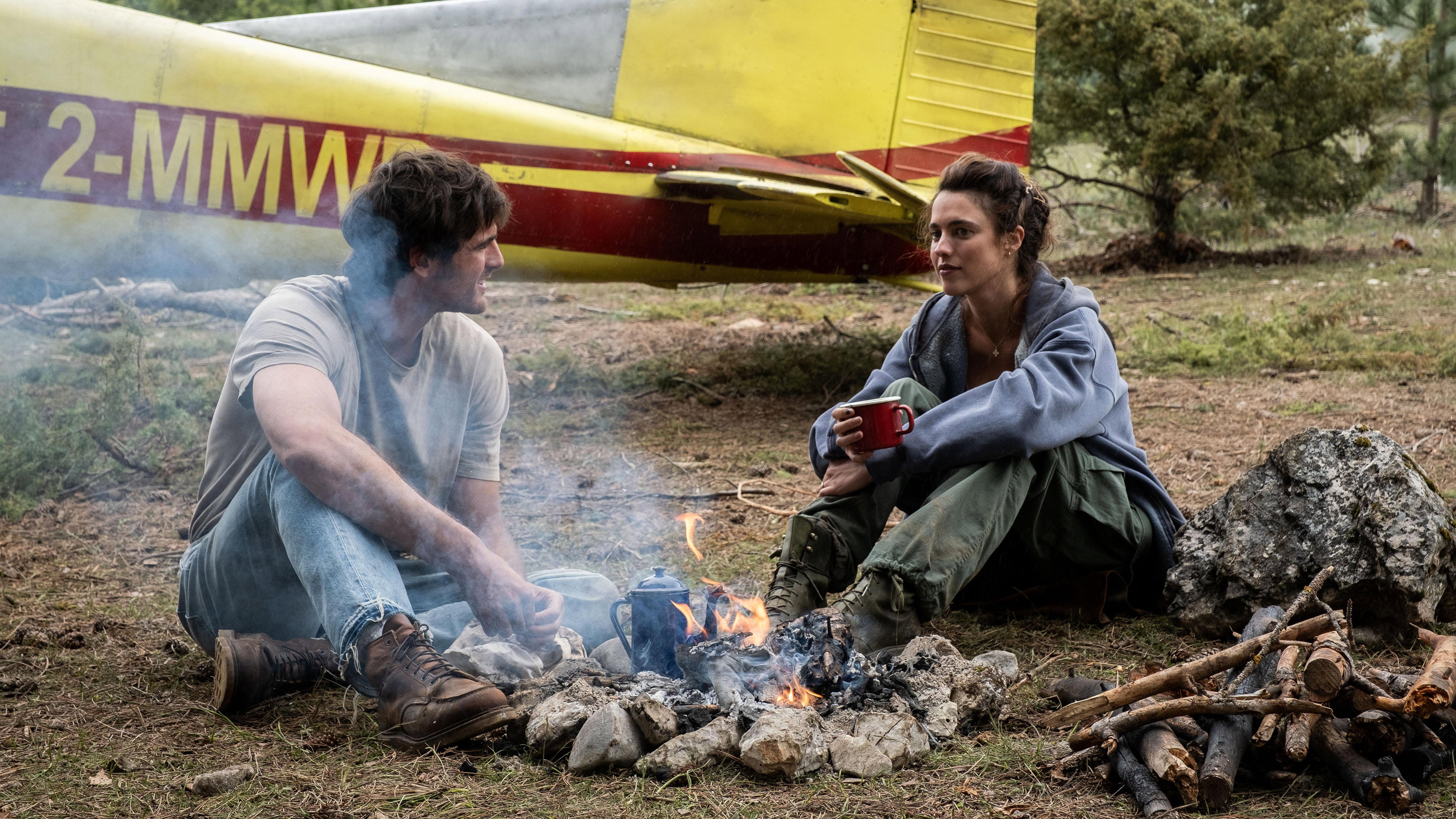
A single word in the new trailer for Ridley Scott’s The Dog Stars has ignited an unexpected firestorm, fracturing audiences not over plot or performance—but over the use of the word ‘dad’ in a historical epic. The controversy centers on the word 'dad' as used in the trailer’s dialogue, and social media had thoughts — a lot of them — revealing deeper tensions around language and genre expectations.
The 'Sitcom' Sabotage
For a significant portion of the audience, the use of a modern, colloquial term like ‘dad’ felt like a jarring intrusion into the world of a historical epic. The reaction wasn’t so much outrage as it was a collective flinch, a sense that the tonal fabric of the film had been momentarily torn. This skepticism of modern language in historical settings was vocal. One user wrote, "They should never say ‘dad’ in a historical epic, sounds like something from a sitcom." The comparison to a sitcom is particularly telling, framing the word as an anachronism that shatters immersion and undercuts any sense of gravitas. Another viewer posted, "First time hearing ‘DAD’ in a historical epic film," capturing the sheer novelty and, for them, the awkwardness of the moment. The backlash suggests that for many, the linguistic register of a period piece is as crucial to its authenticity as the costumes or sets.
A Defensive, Humanizing Beat
Not everyone was pulled out of the experience. A counter-narrative emerged from viewers who found the line emotionally resonant or simply not worth the uproar. This defensive or indifferent stance to linguistic authenticity argued that the reaction was overblown, seeing the word as a humanizing detail. One fan online said, "‘My Dad is coming home’ gave ‘My father will hear about this’ vibes..." This comment cleverly reframes the line, connecting it to a familiar, almost archetypal dramatic trope found in other epic narratives. It suggests the emotional core—a child’s declaration about a parent—transcends the specific word choice. For these viewers, the controversy misses the point of the scene’s intended emotional beat.
Why a Single Word Landed Like This
The intensity of The Dog Stars trailer backlash over one word speaks to the unspoken contract between epic filmmakers and their audience. Period pieces, especially from a director like Ridley Scott, come with expectations of a certain formalized language—a register that feels appropriately historical or mythic. ‘Dad,’ a warmly intimate, decidedly modern term, creates a cognitive dissonance that is hard to ignore. It’s a clash between the relatable and the archaic, and fans wasted no time weighing in.
Meanwhile, Timothée Chalamet has been actively framing The Dog Stars as a distinct project, emphasizing in interviews that the film is tonally distinct from Dune and not a formulaic follow-up. He stated, “It wasn’t like, ‘Okay, we found a formula and now we’re just going to run it back.’ This is a different movie.” This context is crucial, as it suggests Scott and his team are deliberately forging a different path, which may include stylistic or linguistic choices that defy genre convention.
The conversation is now less about whether the movie will be good and more about the rules of cinematic world-building. As the debate continues, it highlights a fascinating divide: should historical fiction sound authentically of its time, or is its primary goal to make ancient emotions feel immediate and recognizable? The final verdict won’t come from the trailer, but from the film itself, and whether Scott’s stylistic gamble makes that ‘dad’ feel like a heartfelt cry or a misplaced modernism.
The Reactions
- A viewer
“They should never say ‘dad’ in a historical epic, sounds like something from a sitcom.”
- A viewer
“First time hearing ‘DAD’ in a historical epic film.”
- A viewer
“‘My Dad is coming home’ gave ‘My father will hear about this’ vibes...”
- Timothée Chalamet
“It wasn’t like, ‘Okay, we found a formula and now we’re just going to run it back.’ This is a different movie.”
Frequently Asked Questions
What is the controversy about in The Dog Stars trailer?
The controversy centers on a line of dialogue in the trailer where a character uses the modern, colloquial word "dad." Many viewers feel this word is anachronistic and jarring for a film presented as a historical epic, arguing it breaks immersion and undermines the genre's typical gravitas.
How has Timothée Chalamet responded to comparisons between The Dog Stars and Dune?
Timothée Chalamet has explicitly stated that The Dog Stars is a very different film from Dune. In interviews, he emphasized that the team did not simply reapply a successful formula, saying, "It wasn’t like, ‘Okay, we found a formula and now we’re just going to run it back.’ This is a different movie," highlighting its distinct tone and rhythm.
Are all audience reactions to The Dog Stars trailer negative?
No, audience reactions are largely negative but not universally hostile. While many criticized the "dad" line as anachronistic, others defended it as a humanizing emotional beat or a familiar dramatic trope. Some found the backlash overblown, suggesting the focus should be on the scene's emotional intent rather than the specific word choice.
More from The Screen Report
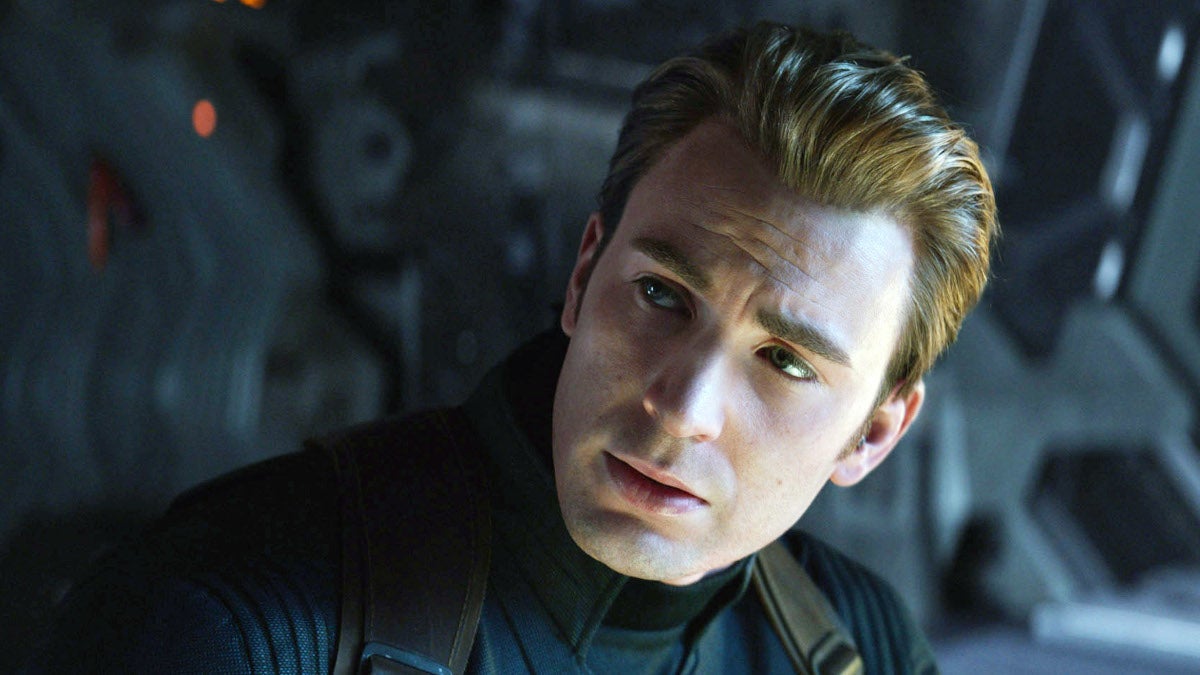
Chris Evans Reveals Marvel Pitched a Dozen Captain America Returns Before Doomsday
The star says Robert Downey Jr.'s comeback and Joe Russo's vision convinced him to finally reprise his role as Steve Rogers.

‘Transformers: The Movie’ Returns to Theaters in 4K This September with New Post-Credits Scene
The 1986 animated classic hits theaters on September 17 with an exclusive new sequence, part of Hasbro's 'Apology Tour' for Optimus Prime's death.
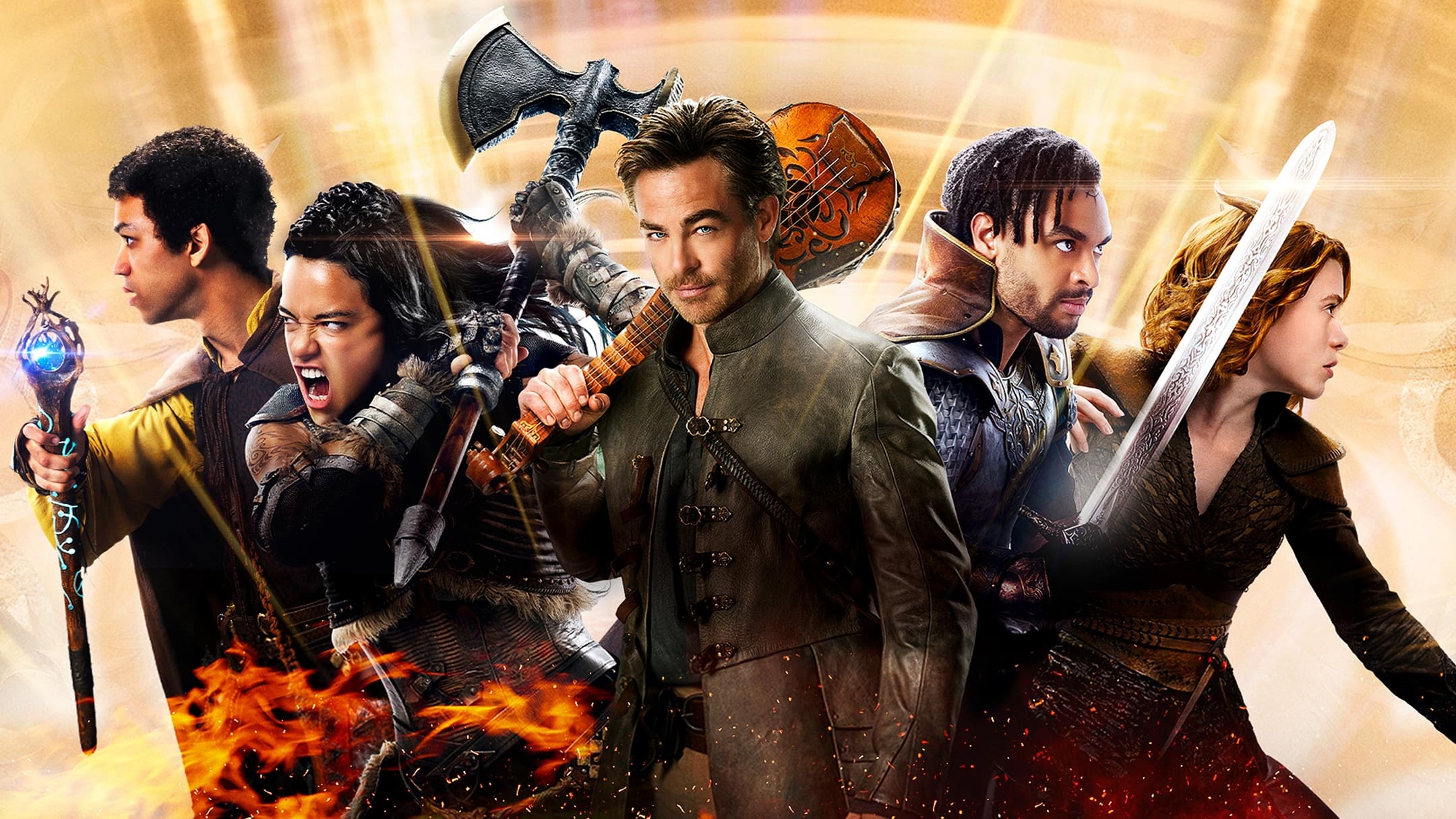
Dungeons & Dragons Sequel Script Exists, But Director Doubts It Will Ever Be Made
Co-director Jonathan Goldstein revealed at Comic-Con that a sequel script is finished, but financial hurdles from the first film's box office make its future uncertain.
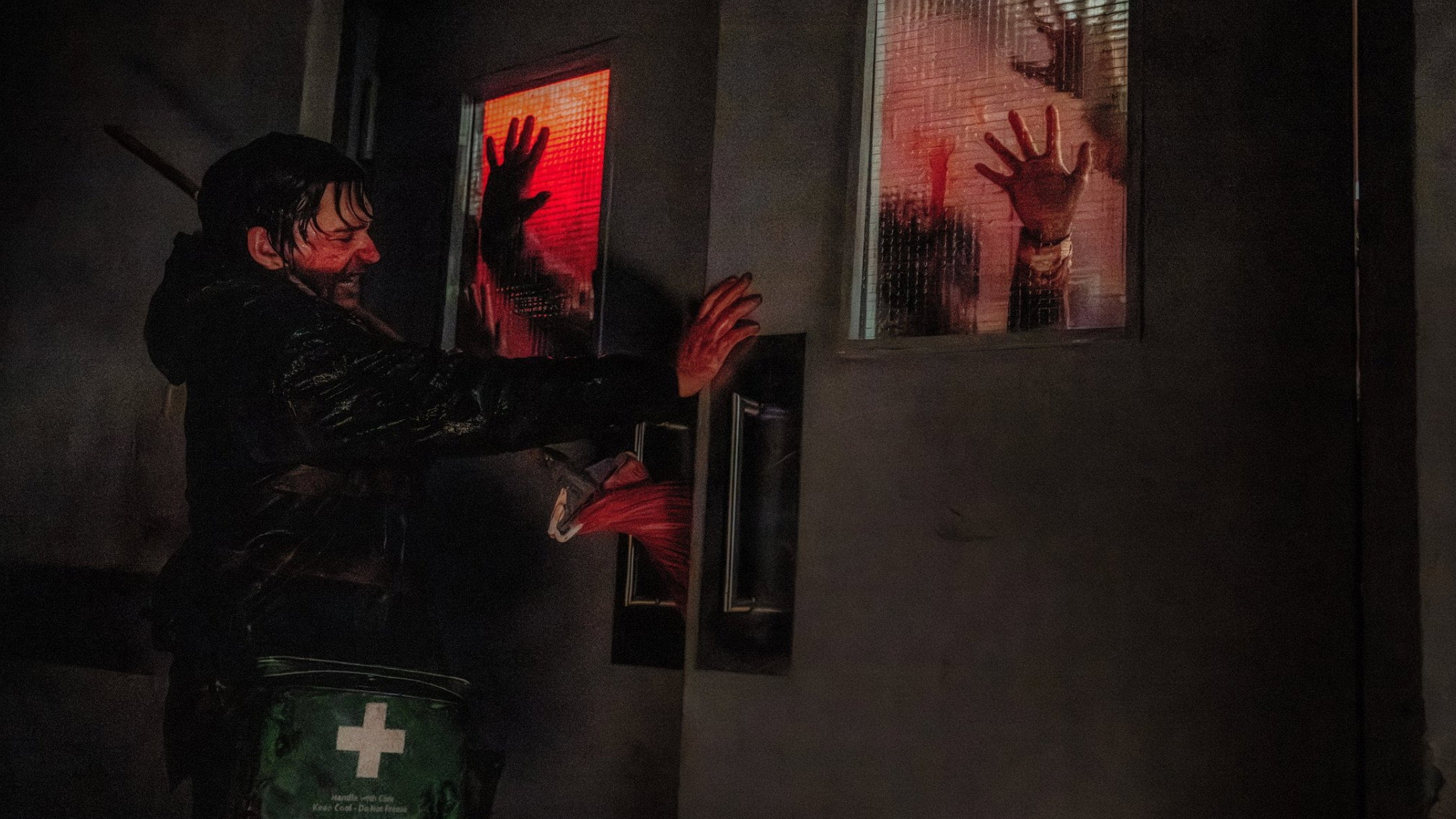
Resident Evil Director Zach Cregger Defends Creative Liberties for 2026 Adaptation
The 'Weapons' director explains why his film is set in modern times with snow, not directly adapting the 1998 video game's setting.