Inception Ending Explained: Cobb's Totem Spins But He Doesn't Look
The final scene's ambiguous top spin has fueled debate for over a decade, but Christopher Nolan's clues point to a definitive answer about reality.
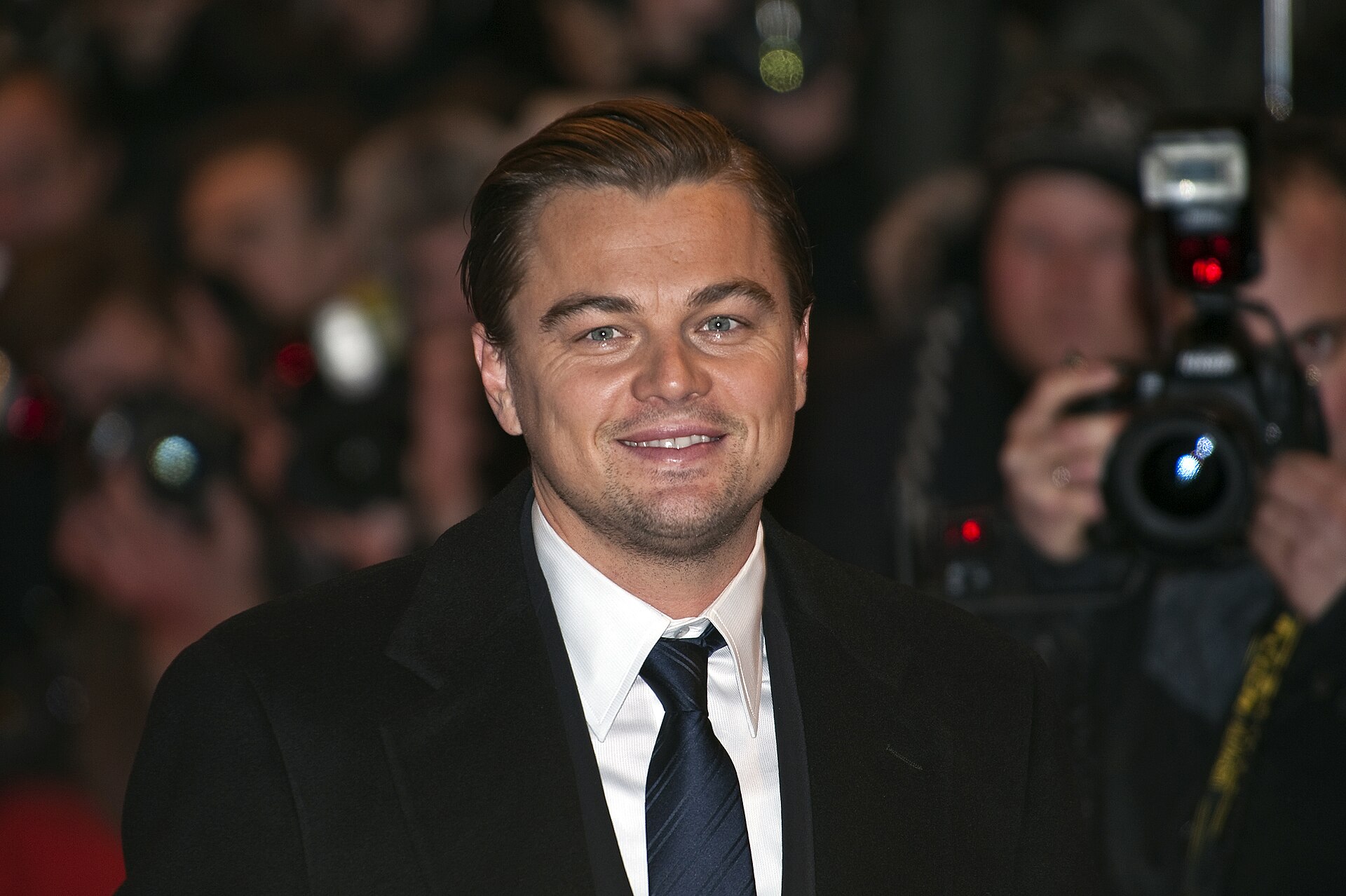
The ending of Inception shows Dom Cobb (Leonardo DiCaprio) finally reuniting with his children in his home, but instead of watching his totem—a spinning top—to see if it falls (proving he's awake), he turns away to embrace them, leaving its fate ambiguous. This iconic final shot has sparked endless debate, but director Christopher Nolan embedded clear narrative and visual clues that Cobb successfully escaped the dream layers and returned to the real world. The emotional resolution of his arc is the film's true focus.
What Does the Spinning Top Mean?
The spinning top is Cobb's totem, a uniquely weighted object only he knows the precise feel of, used to test whether he is in someone else's constructed dream. In a dream, it would spin perpetually, defying physics. In reality, it would eventually wobble and fall. Throughout the film, Cobb is haunted by memories of his wife Mal (Marion Cotillard), whose own totem was that same top, and her suicide after becoming convinced her reality was a dream. His final test with the top is an act of faith; by choosing his children over the result, he finally lets go of his guilt and accepts his perceived reality.
Is Cobb Still Dreaming at the End?
The strongest evidence suggests Cobb is awake. First, he is not wearing his wedding ring in any scene established as reality, but he wears it in every dream sequence. In the final scene at the airport and his home, his finger is bare. Second, the children's faces, previously obscured in his memories and guilt-ridden projections, are fully visible and they appear older. Third, Saito (Ken Watanabe) makes the promised phone call, which clears Cobb's name and allows him to pass through U.S. immigration unchallenged. The narrative logic of the heist—completing the job to earn his freedom—is fulfilled.
What Are the Clues That He's Awake?
Beyond the ring and the children, the film's intricate, time-dilated structure provides the answer. The synchronized kicks from Limbo back through the dream layers are shown succeeding. We see Ariadne (Elliot Page), Arthur (Joseph Gordon-Levitt), and Eames (Tom Hardy) wake up on the plane. Cobb finds an aged Saito in Limbo, reminds him of their agreement, and then we cut to Saito waking up and making the call. The editing presents this as a linear, successful return. Furthermore, Christopher Nolan has stated in interviews that the point of the ending is Cobb's catharsis and choice to be with his children, not the mechanics of the top.
Why Did Christopher Nolan Make the Ending Ambiguous?
Nolan crafted the ending to serve the film's core theme: the power of an idea. Cobb's central struggle is not with dream physics but with his own guilt and the implanted idea that cost him his wife. By not showing the top fall, Nolan places the audience in Cobb's subjective experience. We are asked to choose what to believe, mirroring Cobb's own leap of faith. The ambiguity reinforces the film's exploration of how subjective perception shapes reality. It's a narrative explainer technique that has cemented the film's legacy, much like the spinning top itself.
How Does the Inception on Fischer Relate to Cobb's Ending?
Robert Fischer's (Cillian Murphy) inception—the implanted idea to create something for himself and dissolve his father's empire—is a direct parallel to Cobb's emotional journey. The team plants a positive, liberating idea in Fischer's subconscious to free him from a toxic legacy. Cobb's entire mission is to earn the chance to plant a new idea in his own life: that he can be free of guilt and return to his children. The successful Fischer inception validates the team's method, making Cobb's subsequent return home the earned emotional payoff of the heist structure.
What Was the Original Inception Ending?
Christopher Nolan's original treatment and script did not feature the spinning top at all. The totem was a weighted chess piece. The iconic top was developed during production as a more cinematic and personally charged object for Cobb, linking directly to Mal. The ending, however, was always designed to be emotionally resonant rather than mechanically explicit. Nolan's work on Christopher Nolan films often explores memory and perception, and Inception's finale is a perfect encapsulation of that theme, prioritizing character resolution over a simple yes/no answer.
Sources
Frequently Asked Questions
What is Cobb's totem in Inception?
Cobb's totem is a small, spinning top that originally belonged to his wife, Mal. In a dream, it spins indefinitely; in reality, it will wobble and fall due to its unique weight and balance.
Does the top fall at the end of Inception?
The film cuts to black just as the top begins to wobble, strongly suggesting it is about to fall. Christopher Nolan intentionally does not show the final result, making the audience focus on Cobb's choice to walk away.
What is the strongest evidence Cobb is awake?
Cobb's wedding ring is the most concrete clue. He wears it in every dream sequence (a projection of his married life) but does not wear it in the final scene at the airport and his home, indicating he is in reality.
What does Christopher Nolan say about the ending?
Nolan has stated that the emotional reality of the ending—Cobb's reunion with his children and his letting go of Mal—is the definitive point. He crafted the ambiguity to make the audience engage with Cobb's subjective experience.
Why are the children's faces visible at the end?
Throughout the film, Cobb's memory and guilt prevent him from seeing his children's faces clearly. Their full, visible faces and slightly older appearance in the final scene signal he is in a new, real moment, free from his haunted past.
Did the mission actually succeed?
Yes, the film's editing shows the synchronized kicks working, the team waking on the plane, and Saito making the phone call that clears Cobb's name. The narrative presents the heist as a success, which is Cobb's precondition for returning home.
More from The Screen Report
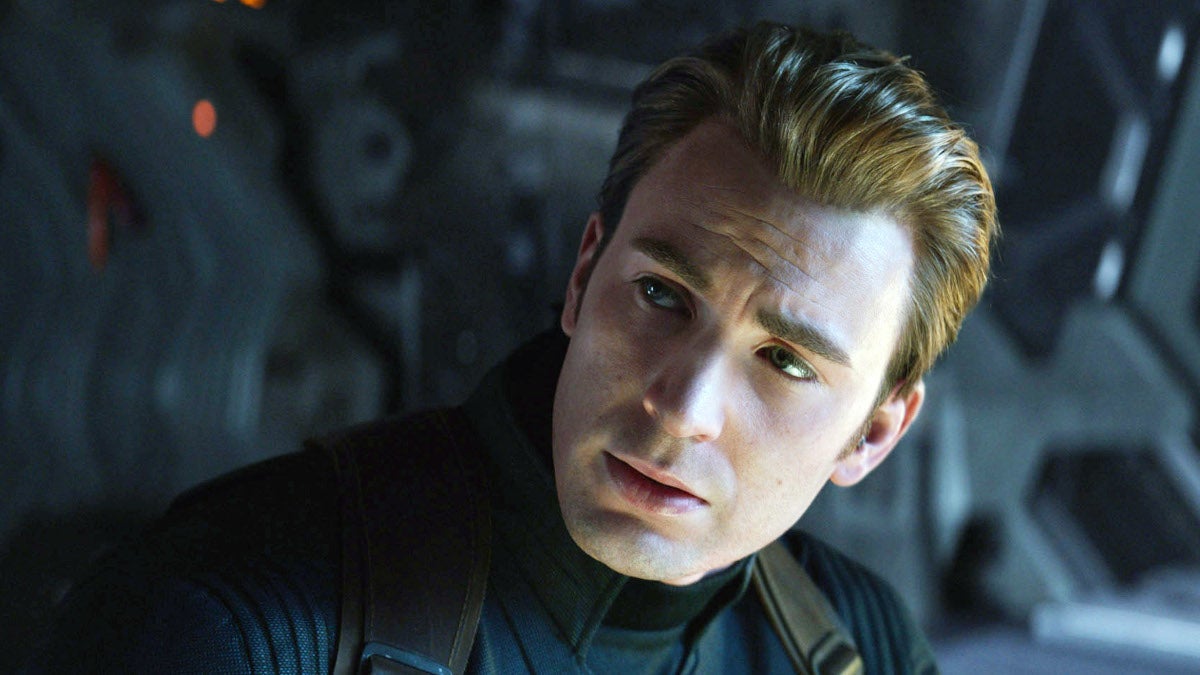
Chris Evans Reveals Marvel Pitched a Dozen Captain America Returns Before Doomsday
The star says Robert Downey Jr.'s comeback and Joe Russo's vision convinced him to finally reprise his role as Steve Rogers.

‘Transformers: The Movie’ Returns to Theaters in 4K This September with New Post-Credits Scene
The 1986 animated classic hits theaters on September 17 with an exclusive new sequence, part of Hasbro's 'Apology Tour' for Optimus Prime's death.
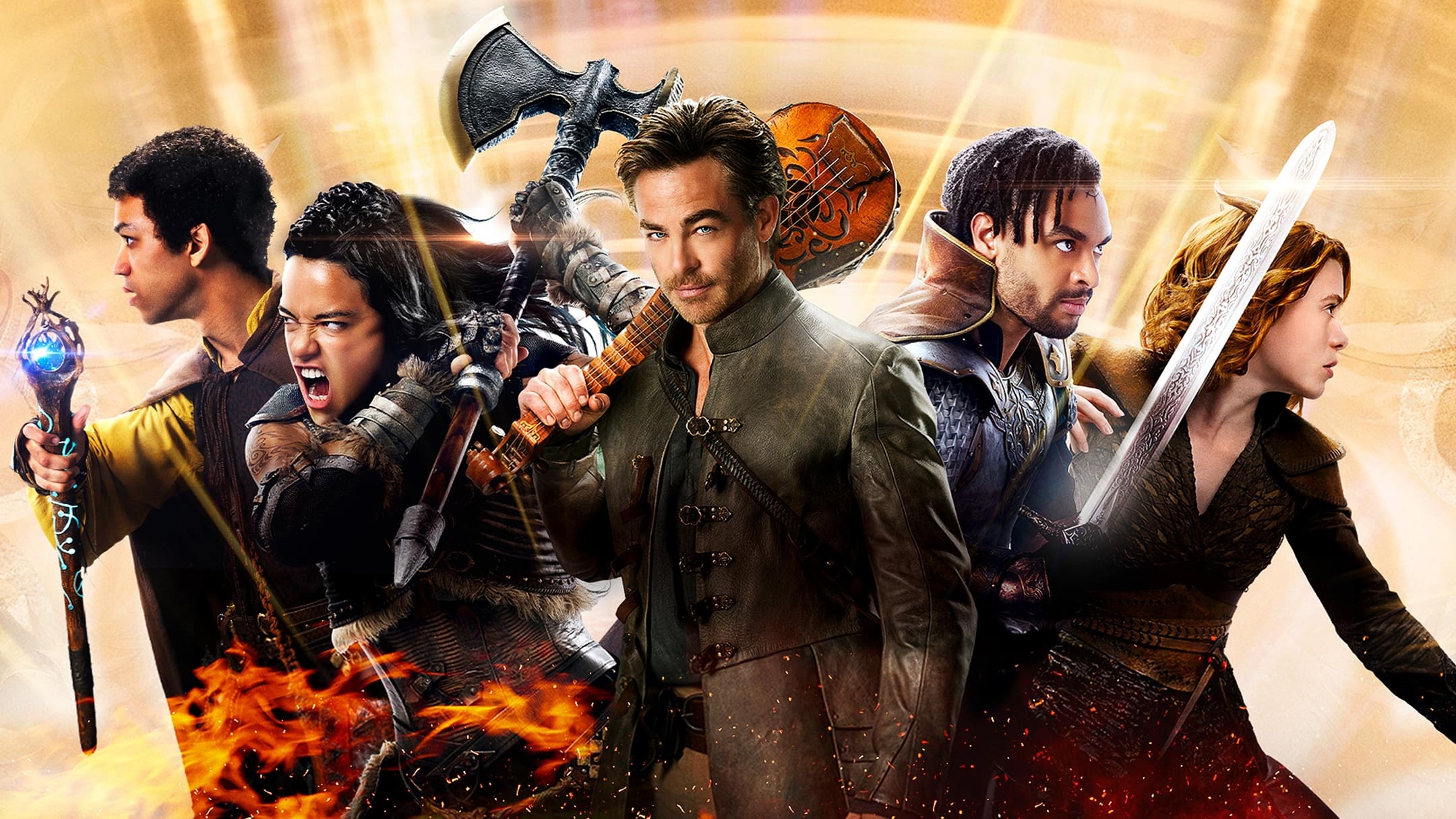
Dungeons & Dragons Sequel Script Exists, But Director Doubts It Will Ever Be Made
Co-director Jonathan Goldstein revealed at Comic-Con that a sequel script is finished, but financial hurdles from the first film's box office make its future uncertain.
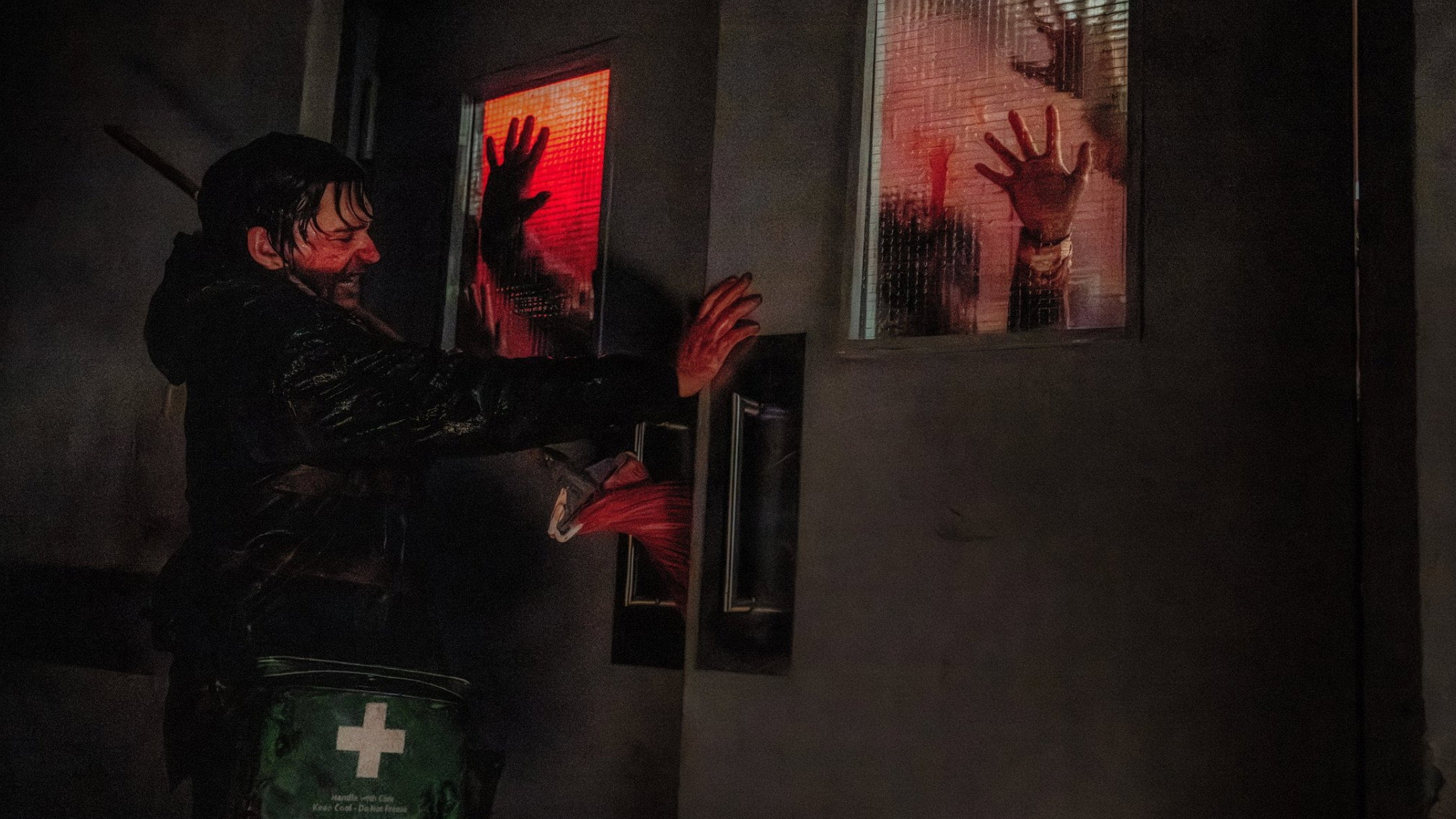
Resident Evil Director Zach Cregger Defends Creative Liberties for 2026 Adaptation
The 'Weapons' director explains why his film is set in modern times with snow, not directly adapting the 1998 video game's setting.