Barbara Ling, Oscar-Winning Production Designer of 'Once Upon a Time in Hollywood,' Dies at 73
The visionary behind the neon Gotham of 'Batman Forever' and the sun-drenched 1969 Los Angeles of Tarantino's film has passed away, leaving an indelible mark on cinema. Fans and the film community are remembering her as a creator of immersive worlds.
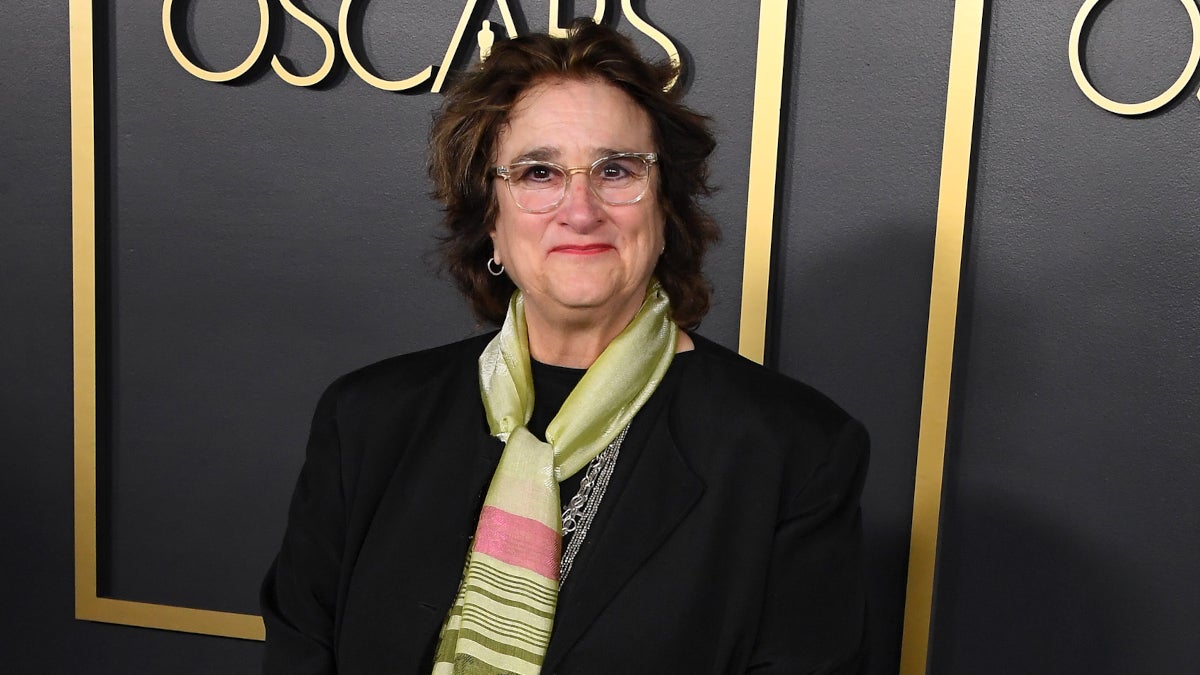
The visual architect behind some of Hollywood’s most memorable worlds has left the stage. The news, first reported by Deadline, has prompted a wave of quiet reflection and deep appreciation from fans who recognize the artistry behind the scenes.
A Legacy Built in Neon and Sunlight
In the wake of the Barbara Ling death announcement, the reaction has been one of profound respect and admiration. Fans and film observers are not just noting her passing but actively celebrating the breadth and impact of her work. The conversation is less about shock and more about gratitude for the tangible worlds she built, which remain vivid long after the credits roll.
She worked with John Dykstra on both films, creating worlds. My BF video goes into great depth on the huge amount she brought to the film." The post underscores how Ling’s work is the subject of dedicated fan analysis, appreciated not just for its beauty but for its technical and collaborative craftsmanship.
The sentiment is echoed in posts that try to capture the sheer scope of her career. Another viewer posted, "She turned LA back to 1969 for a summer and turned Gotham neon for two movies. She also designed the one and only feature film directed by David Byrne. Barbara Ling could do anything. Rest in Peace." This tribute perfectly encapsulates the fan view: Ling was a versatile problem-solver who could tackle any era or aesthetic, from the hyper-stylized comic-book world of Joel Schumacher’s Batman films to the meticulous period recreation for Quentin Tarantino and the quirky Americana of David Byrne’s 'True Stories.'
The Mind That Never Stopped Designing
The public admiration aligns with Ling’s own passion for her craft. In a 2019 interview, she explained the relentless creative drive required of a production designer: "How could you not love the idea of, every new thing you do is a completely new set of rules and inventions? [As a designer], your head never stops. In this case, the uniqueness of this will be very hard to beat afterwards." For fans sharing her work online, this quote resonates. They are celebrating a career that was a series of unique challenges, each met with invention and a mind that never stopped designing.
Other online tributes are simpler but no less heartfelt. A fan online said, "RIP Barbara Ling — one of the best production designers in the game." Another shared a news link with the comment, "Barbara Ling, Oscar-Winning Production Designer Behind Iconic Films, Passes Away at 73." The tone across these posts is uniformly one of loss for a master of her field. There is no division or criticism in the response, only a collective acknowledgment of a significant career now concluded.
Why Tangible Worlds Still Matter
In an era where visual effects can create anything digitally, Ling’s work stands as a testament to physical, tangible world-building. Her Oscar win for 'Once Upon a Time in Hollywood' was a recognition of that art—the ability to transform existing Los Angeles neighborhoods back in time through meticulous set dressing, signage, and color palettes. For 'Batman Forever' and 'Batman & Robin,' she embraced a bold, neon-drenched artifice that defined those films' identities. This versatility is what fans are highlighting: she had no single signature style, but a signature skill for fully realizing a director’s vision, whether it was gritty realism or comic-book fantasy.
The conversation now is one of legacy. As the initial news posts circulate, the discussion is naturally turning toward deeper appreciation. Fans are likely to revisit her films, not just for their stories or stars, but to study the environments she built. Her worlds—the vibrant streets of Gotham, the hazy Hollywood of 1969, the surreal suburbs of 'True Stories'—remain. They are her lasting testament, and as the online tributes make clear, they are worlds that fans happily, and gratefully, got lost in.
The Reactions
- A viewer
“She turned LA back to 1969 for a summer and turned Gotham neon for two movies. She also designed the one and only feature film directed by David Byrne. Barbara Ling could do anything. Rest in Peace.”
- A viewer
“RIP Production Designer Barbara Ling, Oscar winner for Once Upon a Time in Hollywood & designer of Batman Forever. She worked with John Dykstra on both films, creating worlds. My BF video goes into great depth on the huge amount she brought to the film.”
- Barbara Ling
“How could you not love the idea of, every new thing you do is a completely new set of rules and inventions? [As a designer], your head never stops. In this case, the uniqueness of this will be very hard to beat afterwards.”
- A viewer
“RIP Barbara Ling — one of the best production designers in the game. deadline.com/2026/07/barb...”
Frequently Asked Questions
How did Barbara Ling die?
The specific cause of Barbara Ling's death has not been publicly disclosed in the initial reports. The news of her passing at age 73 was first reported by the industry publication Deadline.
How old was Barbara Ling when she died?
Barbara Ling was 73 years old at the time of her death, as confirmed in the initial report from Deadline.
More from The Screen Report

Chris Evans Reveals Marvel Pitched a Dozen Captain America Returns Before Doomsday
The star says Robert Downey Jr.'s comeback and Joe Russo's vision convinced him to finally reprise his role as Steve Rogers.

‘Transformers: The Movie’ Returns to Theaters in 4K This September with New Post-Credits Scene
The 1986 animated classic hits theaters on September 17 with an exclusive new sequence, part of Hasbro's 'Apology Tour' for Optimus Prime's death.

Dungeons & Dragons Sequel Script Exists, But Director Doubts It Will Ever Be Made
Co-director Jonathan Goldstein revealed at Comic-Con that a sequel script is finished, but financial hurdles from the first film's box office make its future uncertain.
Resident Evil Director Zach Cregger Defends Creative Liberties for 2026 Adaptation
The 'Weapons' director explains why his film is set in modern times with snow, not directly adapting the 1998 video game's setting.