Audiences Are Done Watching Their Heroes Get Dragged Through the Mud
The backlash to the upcoming Robin Hood film isn't just about one movie — it's a full-on cultural reckoning with grim, deconstructive takes on classic legends. Fans are saying what they've been holding in for years.
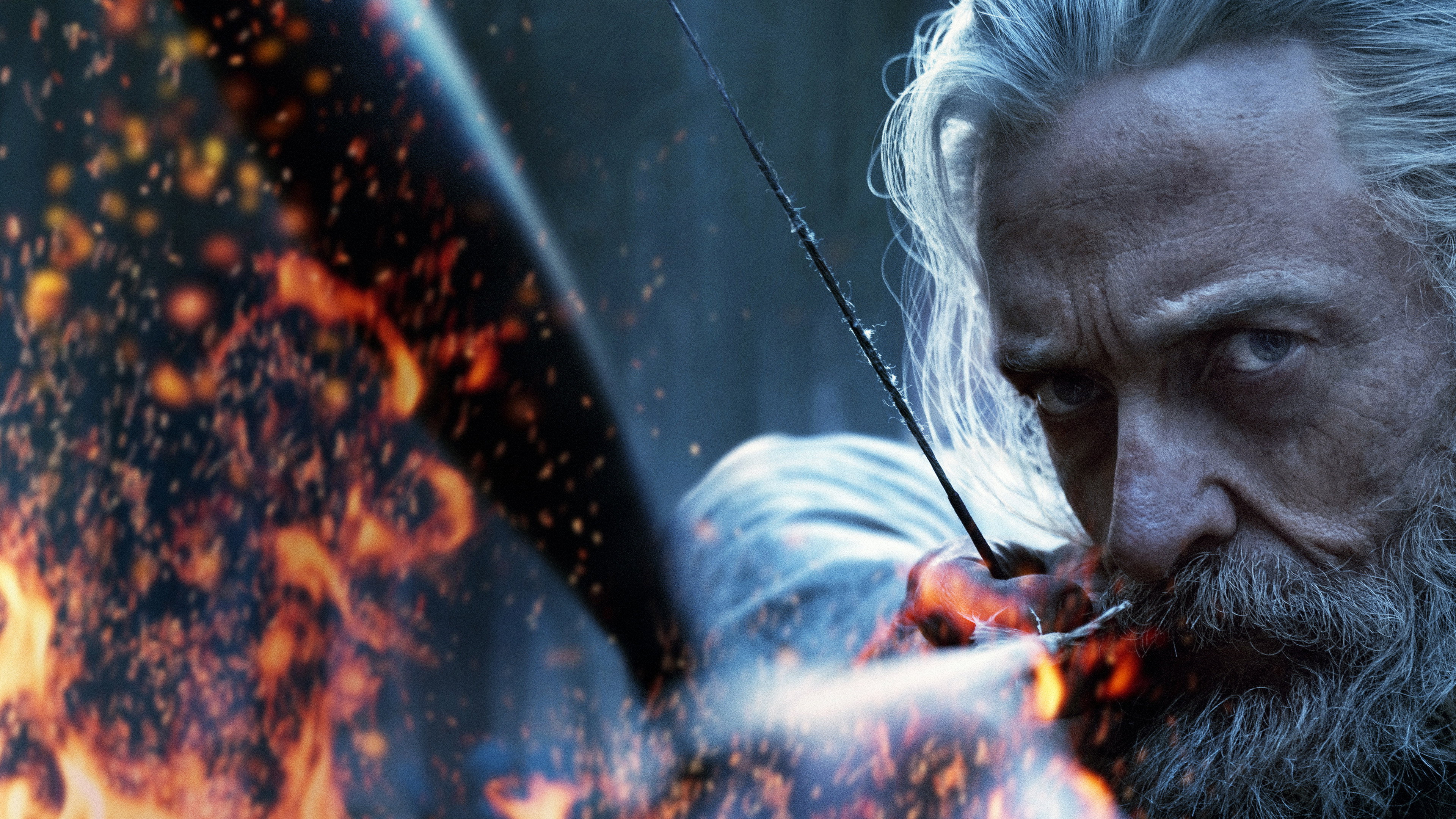
“Elevator pitch: “What if we took another historical legendary icon, but made him suck?”
The discourse around the upcoming film The Death of Robin Hood has revealed a deep cultural fatigue. Audiences are overwhelmingly tired of deconstructing beloved heroes, and the reaction suggests a breaking point with grim, subversive takes on classic legends — and the internet took it from there.
The Exhaustion Is Palpable
The dominant mood online is one of profound weariness. Viewer after viewer expressed a simple, direct refusal to engage with what they see as a tired formula. One user wrote, "'Deconstruction of Robin Hood' is all I needed to hear to know I should skip this movie." Another viewer said bluntly, "Hollywood: 'Robin Hood was no hero.' Me: 'Screw you then; you're not getting my money.'"
This sentiment is framed as a rejection of a repetitive creative trend. Another post argued, "The word 'deconstruction' has really become an easy way for cheap, unimaginative creators to do whatever they want with existing material."
This Robin Hood deconstruction fatigue has become a central theme. One user summed it up succinctly: "Deconstruction itself deserves to be deconstructed at this point. It has become pathological."
A Deeper Cultural Resentment
For many, this cinematic trend feels symptomatic of a broader cultural malaise. The reaction curdles into a sense that darkness and nihilism are being prioritized over hope and heroism, especially in stories about the past. One viewer lamented, "Sick of deconstruction and nihilism, especially in context of the middle ages. One reason people liked the 80s and 90s is even with dark films, there were still likeable characters and some light to provide contrast."
Another user connected it directly to the current moment: "I don't think people want deconstructed heroes right now. The culture is degenerate enough." The most pointed critique framed it as a class issue, directly challenging the ethos of the Robin Hood legend itself. One post asked pointedly, "Is this the billionaires trying to teach us that we should not like Robin Hood?"
The frustration is often expressed with a mix of humor and exasperation — and the replies did not disappoint.
What Are People Actually Praising?
Interestingly, the smaller pool of positive or neutral posts largely avoids defending the new film. Instead, they serve as a testament to what audiences still love: traditional, heroic, or fun portrayals. Nostalgia for specific adaptations dominates this side of the conversation. One fan declared, "Disney's Robin Hood cartoon is UNDEFEATED!!! My personal favorite ;)" Another wrote, "My favorite Robin Hood has been and will always be Errol Flynn. Love that movie. Used to watch it on VHS as a kid."
The 1993 parody Robin Hood: Men in Tights was a frequent touchstone, cited as a successful subversion that didn't drain the character of his core appeal. One user posted, "We already have a deconstruction of Robin Hood film...its called Men in Tights," while another simply quoted the film: "“Unlike other Robin Hood’s, I speak with a British Accent.”"
Other neutral posts were purely informational, sharing personal plans to see the film or noting the sad, coincidental death of the ancient Major Oak tree in Sherwood Forest.
The Director's Defense
Critics and the film's creative team have offered a counter-narrative, but it has failed to penetrate the mainstream audience reaction. Director Michael Sarnoski has grounded his vision not in modern cynicism but in historical source material. In interviews, he stated, "The old Robin Hood ballads, they’re very brutal. The things Robin does are pretty grotesque at times. I wanted to add more gray and more complexity, and a lot of the subversions came naturally out of that."
He emphasized a desire for historical grit over mythic shine: "We think of medieval battles as knights in shining armor riding around on horses, but most of the time it was just peasants beating each other to death with shovels." His goal, he says, was to explore the ballad of Robin Hood's death and "humanize these characters," moving beyond the "black and white" portrayals of the original tale.
Why It's Landing This Way
They hear "deconstruction" and think of a repetitive, top-down creative mandate, not a scholarly return to darker source material. The director sees gray complexity rooted in history; the audience sees a predictable, joy-sapping formula.
Furthermore, in a socio-political climate many find exhausting, folk heroes who champion the poor against corrupt power structures hold a particular resonance. Deconstructing them can feel, to some, like an attack on the very idea of righteous rebellion — hence the accusation that the film serves billionaire interests.
Where the Conversation Is Heading
The conversation has solidified into a clear demand. It’s less a debate about The Death of Robin Hood specifically and more a referendum on an era of storytelling. As one fan pleaded, "I’m tired of this 'deconstruction' stuff. Really really tired. Can we just please get back some of our heroes doing hero stuff again... PLEASE?" Another predicted, "One day someone will do another traditional adaptation of Robin Hood, and the filmmakers will be shocked to see audiences wanted that from the start."
The audience has drawn a line. Whether Hollywood is listening will determine not just the fate of this Robin Hood, but of the next wave of classic hero stories waiting in the wings — and one thing is certain: nobody is done talking about this.
The Reactions
- A viewer
“Deconstruction of Robin Hood" is all I needed to hear to know I should skip this movie.”
- A viewer
“Is this the billionaires trying to teach us that we should not like Robin Hood?”
- A viewer
“Movie Directors/Producers trying to be creative by deconstructing beloved heroes without realizing they’re just doing the same thing EVERYBODY has been doing for the past 8ish years… can we get back to doing real heroes?”
- A viewer
“Next they're gonna make a King Arthur movie where he's a serial jaywalker and commits tax fraud.”
- A viewer
“Disney's Robin Hood cartoon is UNDEFEATED!!! My personal favorite ;)”
- A viewer
“Deconstruction itself deserves to be deconstructed at this point. It has become pathological”
- A viewer
“I'm tired of this "deconstruction" stuff. Really really tired. Can we just please get back some of our heroes doing hero stuff again... PLEASE?”
- A viewer
“The Vikings definitely add a bit more excitement. I can't wait till they come out with Robin Hood vs. zombies.”
- A viewer
“Old murderous man saving a young girl to feel good about himself in his last days -- Logan, Leon, Man on Fire, Equalizer, News of the World, Extraction, and now this. Saved ₹500. Thank you for the trailer.”
- A viewer
“Meh... Robin Anti Hood... Lets keep deconstructing ALL of our old stories and legends... Ya Daffy Ba$tards..!”
- A viewer
“THE DEATH OF ROBIN HOOD (2026) - New Date Streaming: July 28, 2026 PVOD (Apple, Amazon, Fandango at Home, etc.)”
- A viewer
“lotta similarities between The Odyssey and The Death of Robin Hood, a movie that was also good”
Frequently Asked Questions
What is 'The Death of Robin Hood' about?
The upcoming film, directed by Michael Sarnoski and starring Hugh Jackman, is described as a deconstruction of the classic legend. The director states it is specifically based on the brutal medieval ballad of Robin Hood's death, aiming to explore the gray complexity and historical reality of a medieval bandit's life rather than the mythic hero.
Why are audiences reacting so negatively to the film?
The overwhelming negative reaction stems from a deep fatigue with the 'deconstruction' trend in Hollywood. Audiences express exhaustion with grim, subversive takes on beloved heroes, arguing it has become a predictable and creatively bankrupt formula that strips stories of hope and likable characters. Many explicitly say they will skip the film.
What does the director say in defense of the film?
Director Michael Sarnoski argues that his take is not a modern invention but is rooted in the original, often grotesque and brutal Robin Hood ballads. He emphasizes a desire to add historical complexity and gray morality, and to humanize the characters from the 'Robin Hood's Death' story, moving beyond what he sees as their black-and-white origins.
More from The Screen Report
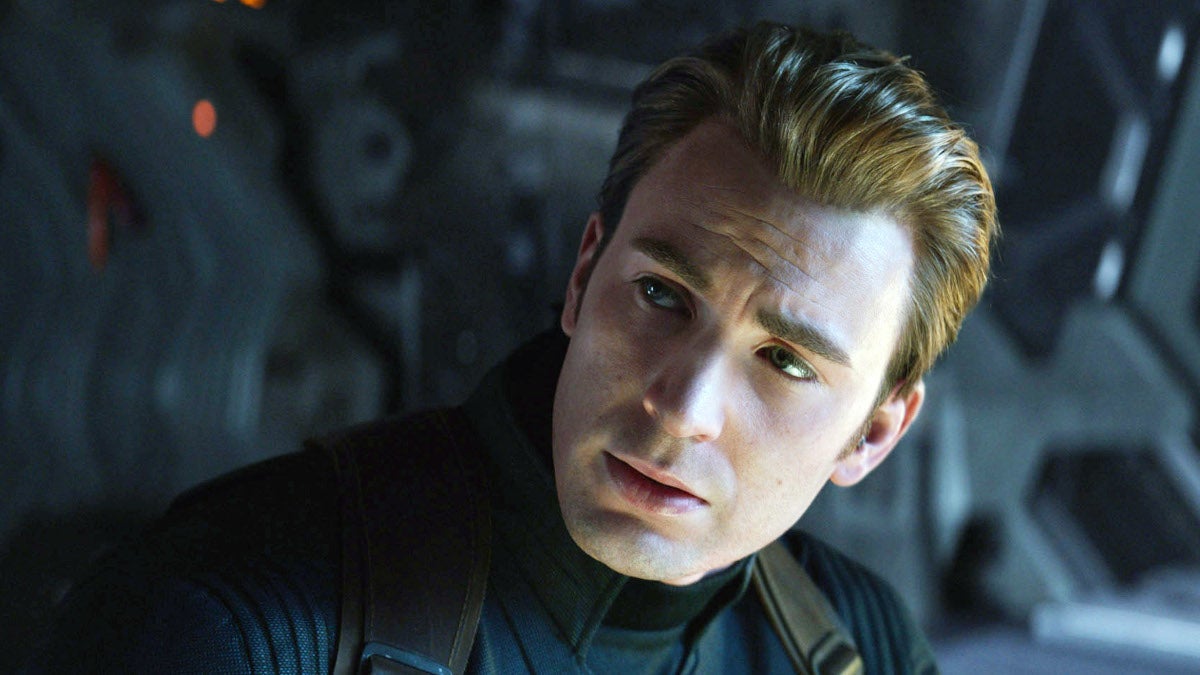
Chris Evans Reveals Marvel Pitched a Dozen Captain America Returns Before Doomsday
The star says Robert Downey Jr.'s comeback and Joe Russo's vision convinced him to finally reprise his role as Steve Rogers.

‘Transformers: The Movie’ Returns to Theaters in 4K This September with New Post-Credits Scene
The 1986 animated classic hits theaters on September 17 with an exclusive new sequence, part of Hasbro's 'Apology Tour' for Optimus Prime's death.
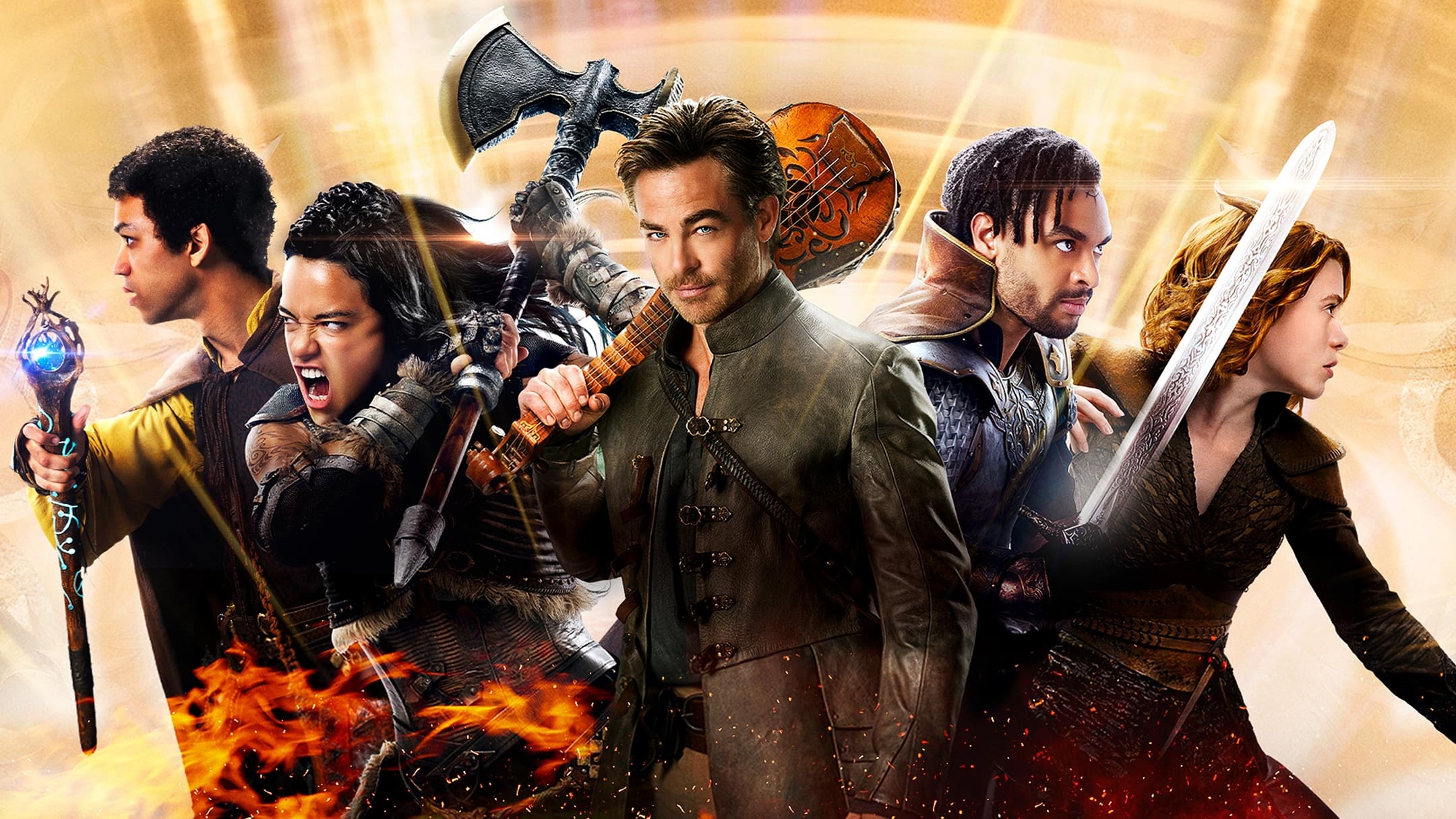
Dungeons & Dragons Sequel Script Exists, But Director Doubts It Will Ever Be Made
Co-director Jonathan Goldstein revealed at Comic-Con that a sequel script is finished, but financial hurdles from the first film's box office make its future uncertain.
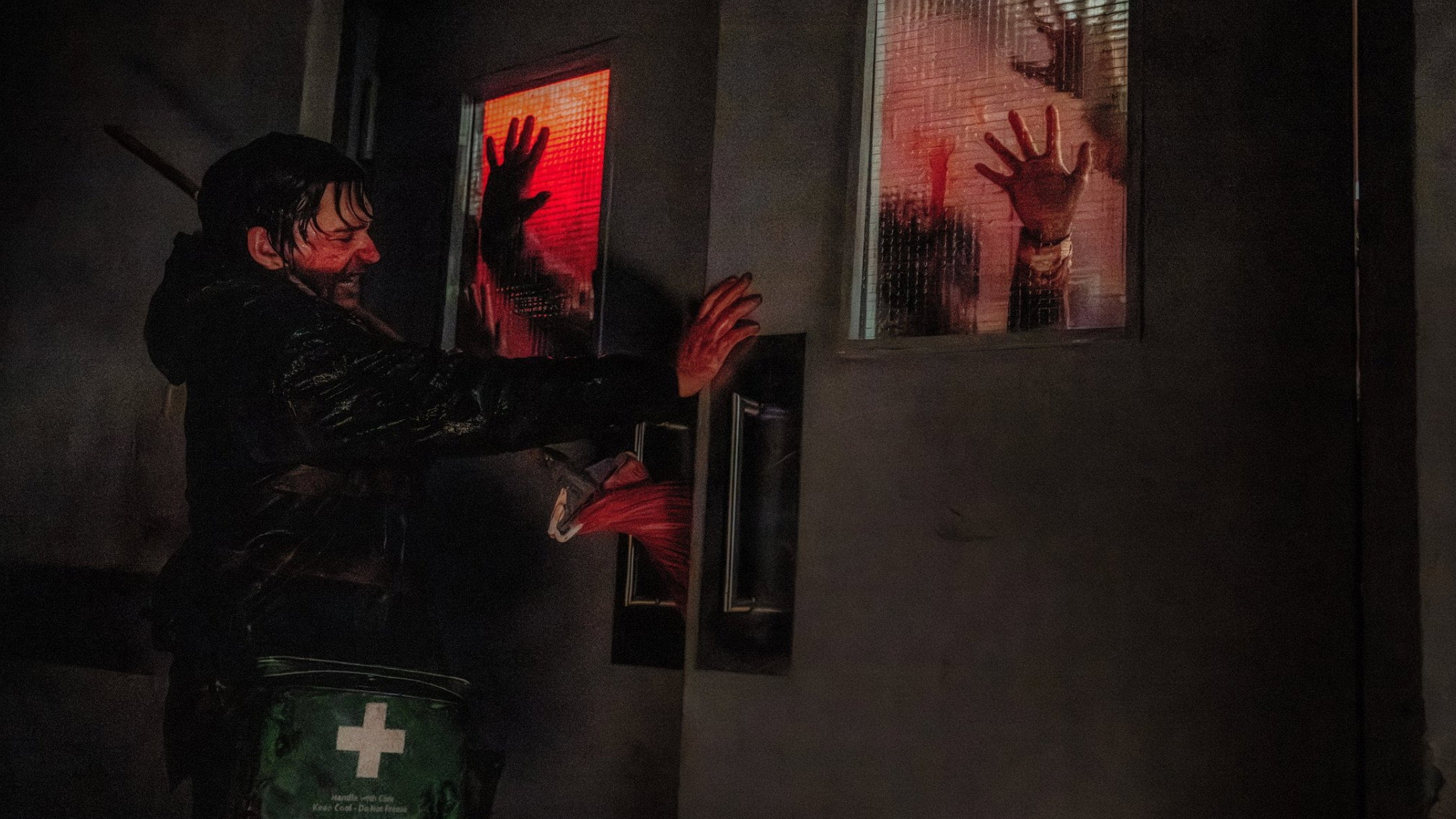
Resident Evil Director Zach Cregger Defends Creative Liberties for 2026 Adaptation
The 'Weapons' director explains why his film is set in modern times with snow, not directly adapting the 1998 video game's setting.