La Grande Illusion: How Renoir's Anti-War Classic Broke Hollywood's Barriers
Jean Renoir's 1937 French masterpiece earned a Best Picture nomination, a rare feat for a subtitled film with no major studio backing at the time.
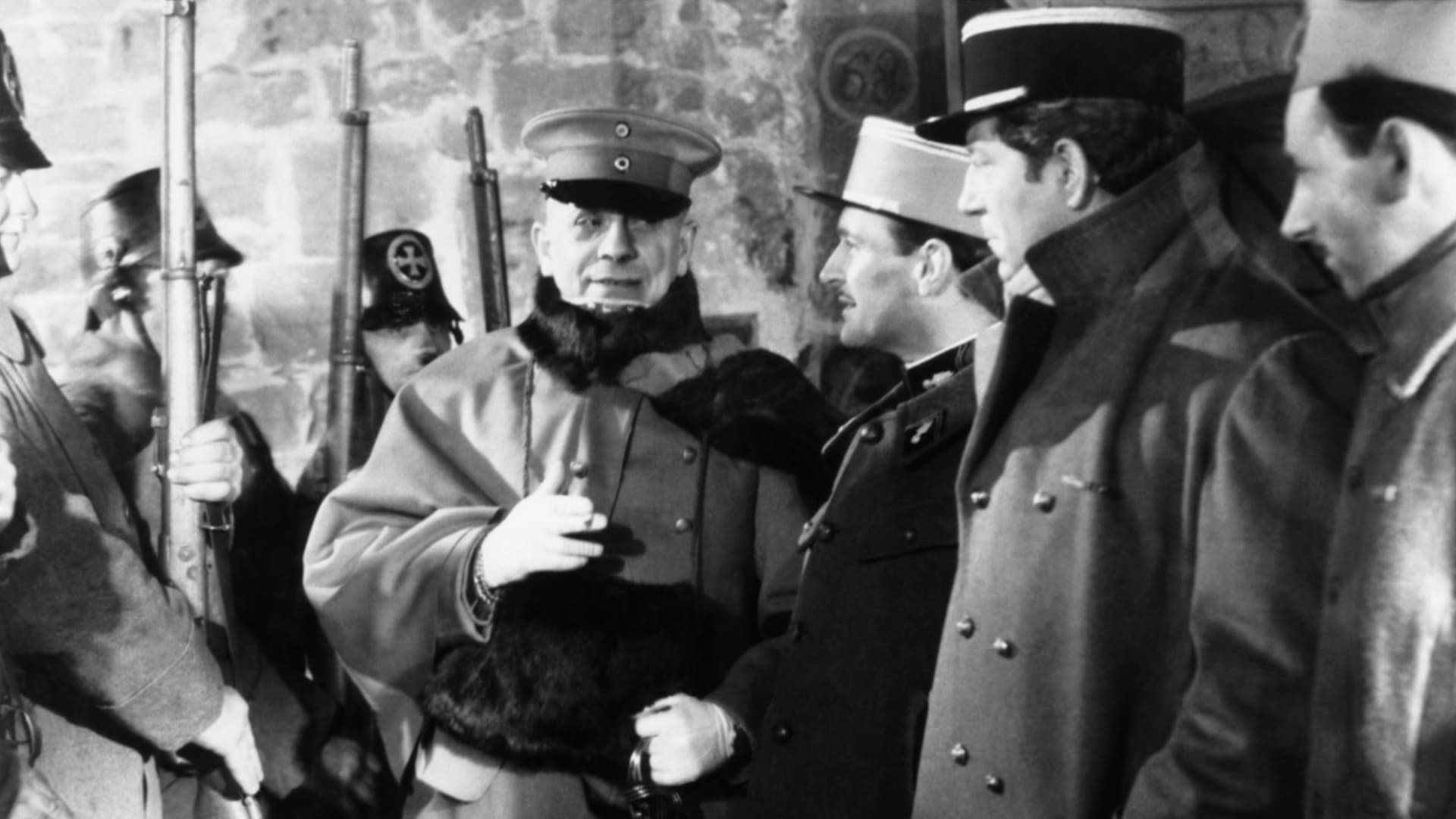
Jean Renoir's 1937 French film La Grande Illusion broke Hollywood's barriers by securing a Best Picture Oscar nomination, according to a report by The Hollywood Reporter. The anti-war classic achieved this feat at a time when subtitled films were considered exotic and it lacked the backing of a major studio.
It was nominated in the category then called Outstanding Production, competing against major studio films like Frank Capra's You Can't Take It with You, which won. The film's stateside distributor was World Pictures Corp., operated by foreign film importer Irvin Shapiro.
What is La Grande Illusion about?
The film is a somber, pacifist story. It follows two French pilots after they are shot down and become prisoners of war. They join a diverse group of fellow prisoners and plot their escape.
Why was its nomination significant?
Its nomination marked a major border crossing for foreign-language cinema in Hollywood. Before the establishment of a regular Best International Feature category, the Academy only occasionally recognized foreign films with Honorary Oscars.
The film was advertised as "A War Story without War Scenes!" and drew from Renoir's own experience as a cavalry officer and pilot wounded twice in the Great War.
Frequently Asked Questions
Did La Grande Illusion win the Oscar for Best Picture?
No, it did not win. The Oscar for Outstanding Production (now Best Picture) in 1937 went to You Can't Take It with You, directed by Frank Capra. La Grande Illusion was one of the ten nominees that year.
Was Jean Renoir known in America before this film?
No, he was not a known name in the U.S. at the time. Several of his earlier masterpieces were not released stateside until decades later. Reviewers often identified him only as "the son of the famous French impressionist Auguste Renoir" until after La Grande Illusion's success.
More from The Screen Report

Jessica Biel Wishes She Could Keep Her Kids in Her Pocket
The actress shares a relatable mom moment and praises husband Justin Timberlake’s parenting in a recent Father’s Day tribute.

Darlene Love Celebrates 85th Birthday with Documentary, Residency Plans
The Rock & Roll Hall of Famer is planning a documentary, a Vegas residency, and a massive holiday show while continuing her 'Love for the Holidays' tour.
John Cusack Ditches Hollywood for a Graphic Novel — and Zero Studio Notes
The indie film icon trades studio lots for storyboards, creating a road-trip sci-fi heist with artist Ignacio Noé—and not a single focus group in sight.

Kelly Clarkson Shares Candid Thoughts on Single Life During Vegas Residency
At her Vegas show, the singer delivered a wry, full-throated celebration of singlehood, contrasting it with the 'invisible labor' of keeping romance alive.