John Cusack Ditches Hollywood for a Graphic Novel — and Zero Studio Notes
The indie film icon trades studio lots for storyboards, creating a road-trip sci-fi heist with artist Ignacio Noé—and not a single focus group in sight.
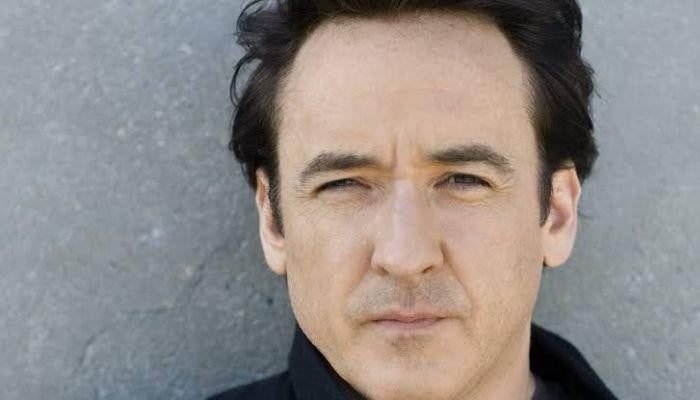
John Cusack, 60, once a leading man in Hollywood’s golden indie era, now finds his freedom in panels and ink. At San Diego Comic-Con on Friday, he didn’t promote a sequel or tease a streaming drop. Instead, he introduced Momo — his first graphic novel — as a quiet act of rebellion against the modern film machine.
The actor, known for Being John Malkovich, Grosse Pointe Blank, and High Fidelity, said he’s stepped back from mainstream Hollywood not out of retreat, but by design. He wanted to tell a story without selling it to a boardroom first.
“I didn’t want to negotiate telling a story,” Cusack told Variety at the convention.
What Was Said
Cusack didn’t mince words about why he chose the graphic novel format. “I always thought [graphic novels] were the closest things to film, really,” he said. “You’re picking out shots, they’re so cinematic.”
For Momo, he wrote the story himself and teamed up with Ignacio Noé. Together, they built a world with no outside interference. “Nobody edited anything I wrote or that he drew,” Cusack said. “So it’s really a piece of work that was just done by two people. It was just me and Ignacio’s story, and that doesn’t happen today.” This was just like, I wrote it, and I said, ‘I like the story,’ and then I got this beautiful, wonderful artist, Ignacio Noé, to do the illustrations and so nobody
He called it an anti-algorithm thing.” "There’s no bull, and there’s no committee. There’s no computer up in Seattle that’s poll testing it," No focus groups. No data-driven tweaks. “There’s no bull, and there’s no committee.
He even called the project a “brand-buster” in a conversation with Forbes ahead of his panel — a jab at the formulaic nature of modern entertainment.
How We Got Here
Momo is set in 1972 and follows two fugitives on a road trip to recover an ancient artifact — all at the request of TV legend Jackie Gleason. The plot blends heist, sci-fi, and historical fiction, with a twist Cusack claims is rooted in truth. “It’s based on a true story,” he told Forbes. “It’s all in recently declassified files that I managed to obtain.”
Cusack has been vocal about Hollywood’s shift for years. Back in 2014, he told The Guardian about his friend Joe Roth, who ran Disney until 2000. I got to make High Fidelity and Grosse Pointe Blank. Spike Lee got to make Summer of Sam. Wes Anderson got to make Rushmore.”
“That memory of film,” he said, “is gone.”
Now, he argues, it’s “six for them with a committee cutting the film who weren’t part of making it and maybe one for you.”
His recent film work reflects the pivot. Selective, yes — but not idle.
Still, Momo feels like a statement.
And it might not be a one-off. Cusack hinted to Forbes that he’s already working on a second book with Noé. No details were confirmed — only that the collaboration continues.
The graphic novel marks a full-circle moment for an actor who began in the 1980s with a breakout role in John Hughes’ Sixteen Candles, then rose through Say Anything, Con Air, and High Fidelity as a voice of offbeat sincerity. Now, he’s reclaiming that voice — just not on a soundstage.
Sources
Frequently Asked Questions
Why did John Cusack step back from Hollywood?
He said he didn’t want to negotiate storytelling with studios that demand creative input when funding large-budget films.
What is John Cusack’s new graphic novel about?
Momo follows two fugitives in 1972 on a road trip to recover an ancient artifact for TV icon Jackie Gleason, with a science fiction twist.
Who did John Cusack collaborate with on Momo?
He worked with illustrator Ignacio Noé, and the two completed the project without studio or editorial interference.
More from The Screen Report

Jessica Biel Wishes She Could Keep Her Kids in Her Pocket
The actress shares a relatable mom moment and praises husband Justin Timberlake’s parenting in a recent Father’s Day tribute.

Darlene Love Celebrates 85th Birthday with Documentary, Residency Plans
The Rock & Roll Hall of Famer is planning a documentary, a Vegas residency, and a massive holiday show while continuing her 'Love for the Holidays' tour.

Kelly Clarkson Shares Candid Thoughts on Single Life During Vegas Residency
At her Vegas show, the singer delivered a wry, full-throated celebration of singlehood, contrasting it with the 'invisible labor' of keeping romance alive.
Ocean House Denies Taylor Swift and Travis Kelce Wedding Rumors
A luxury resort says its policy and values forbid the kind of date-swapping rumor that went viral—even for a global superstar.